
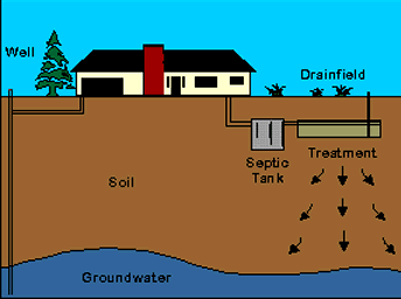
The most common private sewage system installed nationwide is the septic tank followed by a subsurface seepage system. Since this system depends on the absorption properties of the soil, it must be installed in soils which drain well and are not affected by a seasonal high water table. To determine the suitability of the soil, a soils test must be conducted by a Certified Soil Classifier prior to installing the system. Once the soil test results are known, it can be determined if a field will function properly and if so, how much field is necessary. If your property’s soil results do not pass, then a surface discharging type system may be considered.
Advantages:
- First choice of system for soil that will absorb septic tank discharge
- Usually lower installation cost
- Low maintenance, simply pump septic tank every 2-5 years
Disadvantages:
- Requires soil that will absorb septic tank effluent (clay soils unsuitable)
- Extreme high water tables interfere with proper function
Do…
- Learn the location of your septic tank and drainfield. Keep a sketch of it handy with your maintenance record for service visits.
- Have your septic system inspected annually and pumped out regularly by a licensed contractor.
- Keep your septic tank cover accessible for inspections and pumpings. Install risers if necessary.
- Call a professional whenever you experience problems with your system, or if there are any signs of system failure.
- Keep a detailed record of repairs, pumpings, inspections, permits issued, and other maintenance activities.
- Conserve water to avoid overloading the system. Be sure to repair any leaky faucets or toilets.
- Divert other sources of water, like roof drains, house footing drains, and sump pumps, away from the septic system. Excessive water keeps the soil in the drainfield from naturally cleansing the wastewater.
Don’t…
- Go down into a septic tank. Toxic gases are produced by the natural treatment processes
in septic tanks and can kill in minutes. Extreme care should be taken when inspecting a
septic tank, even when just looking in. - Allow anyone to drive or park over any part of the system.
- Plant anything over or near the drainfield except grass. Roots from nearby trees or shrubs
may clog and damage the drain lines. - Dig in your drainfield or build anything over it, and don’t cover the drainfield with a hard surface such as concrete or asphalt. The area over the drainfield should have only a grass cover. The grass cover will not only prevent erosion, but will help remove excess water.
- Make or allow repairs to your septic system without obtaining the required health department permit. Use professional licensed septic contractors when needed.
- Use septic tank additives. These products usually do not help and some may even be harmful to your system.
- Use your toilet as a trash can or poison your septic system and the groundwater by pouring harmful chemicals and cleansers down the drain. Harsh chemicals can kill the beneficial bacteria that treat your wastewater.
- Allow backwash from home water softeners to enter the septic system, roots from nearby trees or shrubs may clog and damage the drain lines.